

Creating a Loyalty System for a Service-Based Clinic

Challenges
As a medical service-based business, iSkin operates in an environment where repeat visits and long-term relationships define growth. The clinic manages a high volume of daily services and recurring treatments, making reliable bookings, patient retention, and operational efficiency critical.
Frequent no-shows and late cancellations directly impacted revenue, while booking and follow-up processes relied heavily on manual work. There was no structured loyalty system, no automated reminder flows, and no retention infrastructure. At the same time, the clinic had a large patient contact base that was not strategically activated through high-engagement channels such as SMS and Viber.
The core challenge was to build a system that improves retention, reduces no-shows, strengthens patient loyalty, and creates a structured long-term growth model.
Rebranding as the Foundation
Before building loyalty and retention, trust and credibility had to be clearly established. In a medical environment, visual identity and brand perception directly influence patient confidence and decision-making.
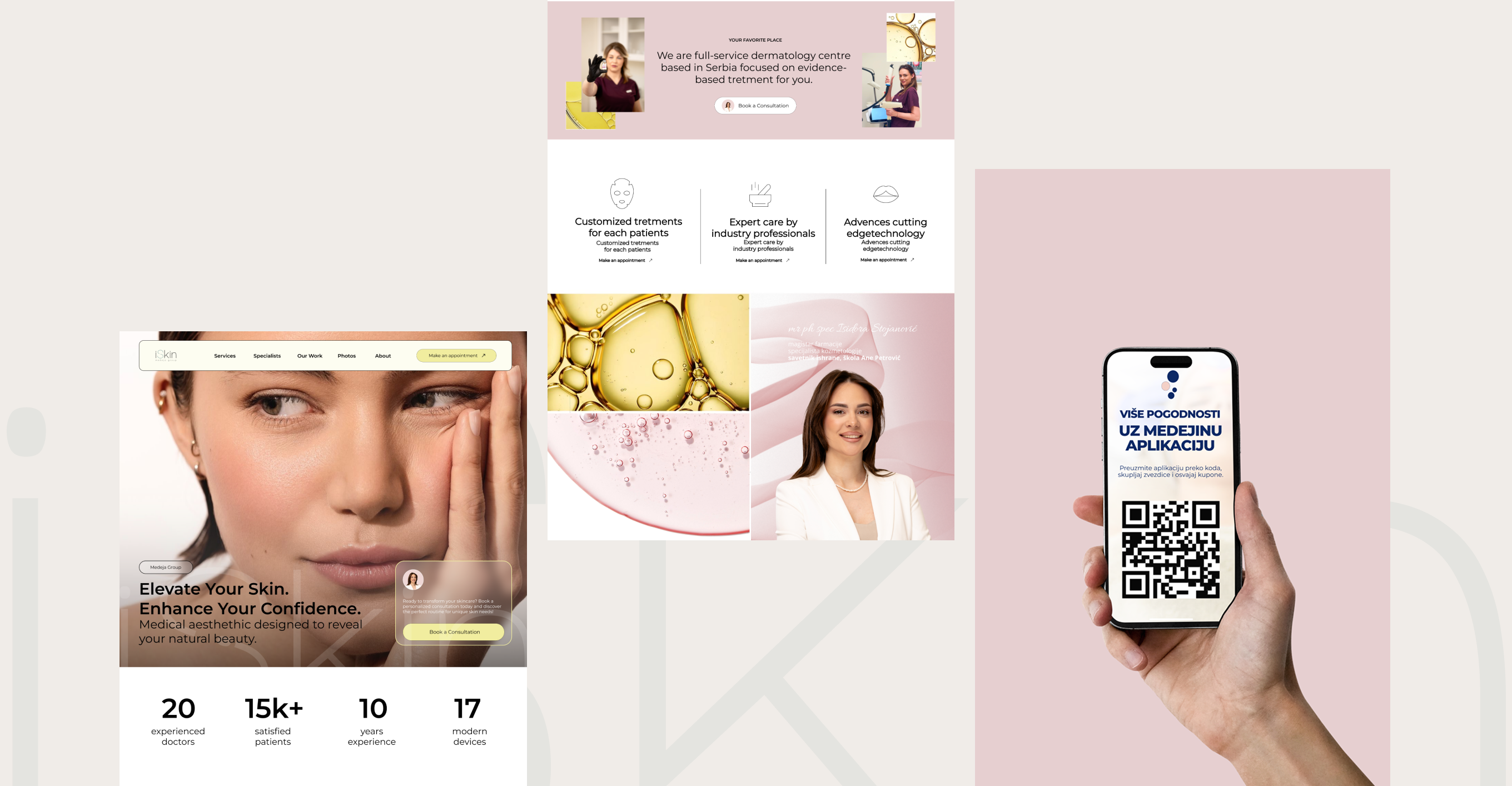
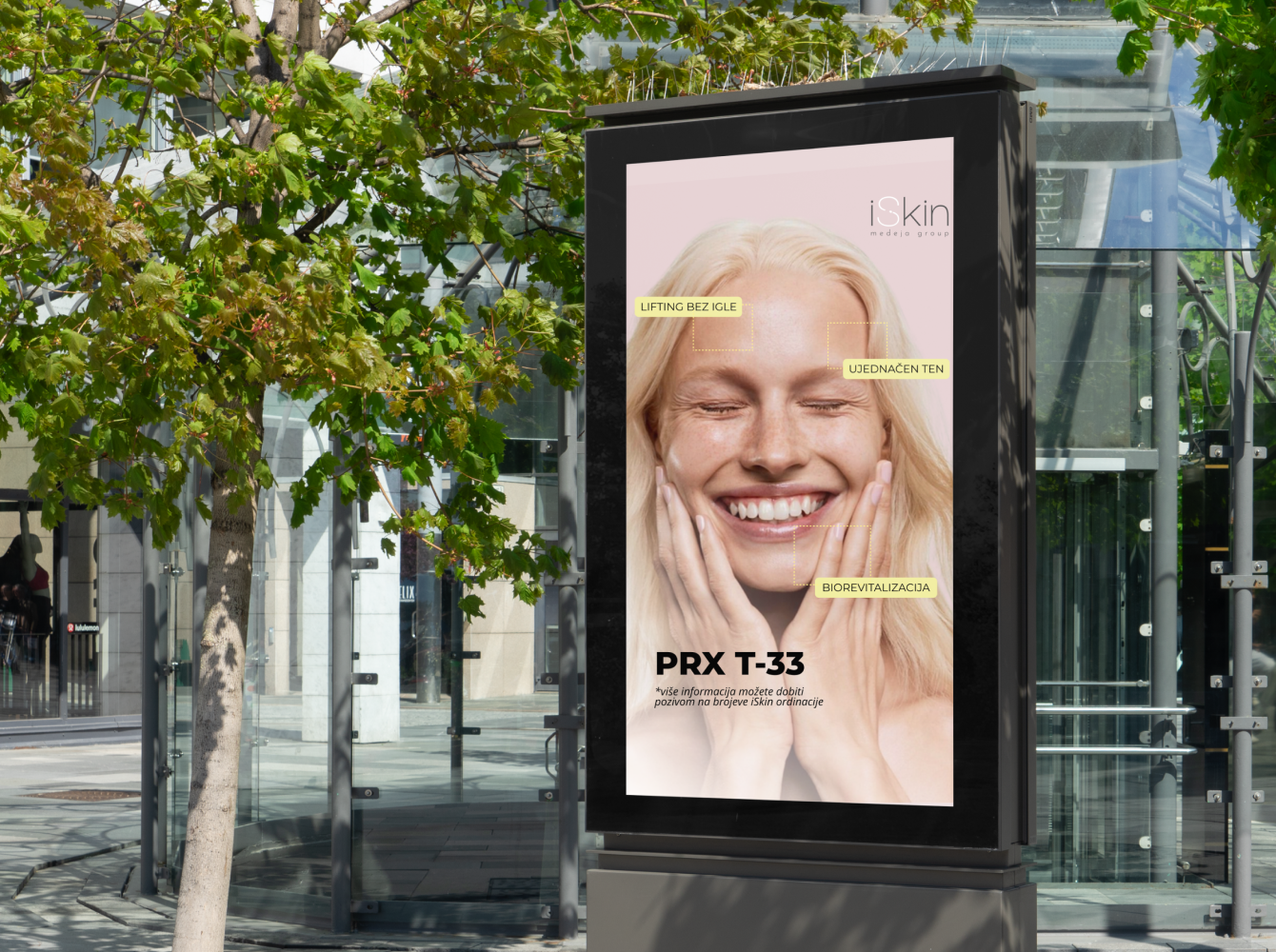
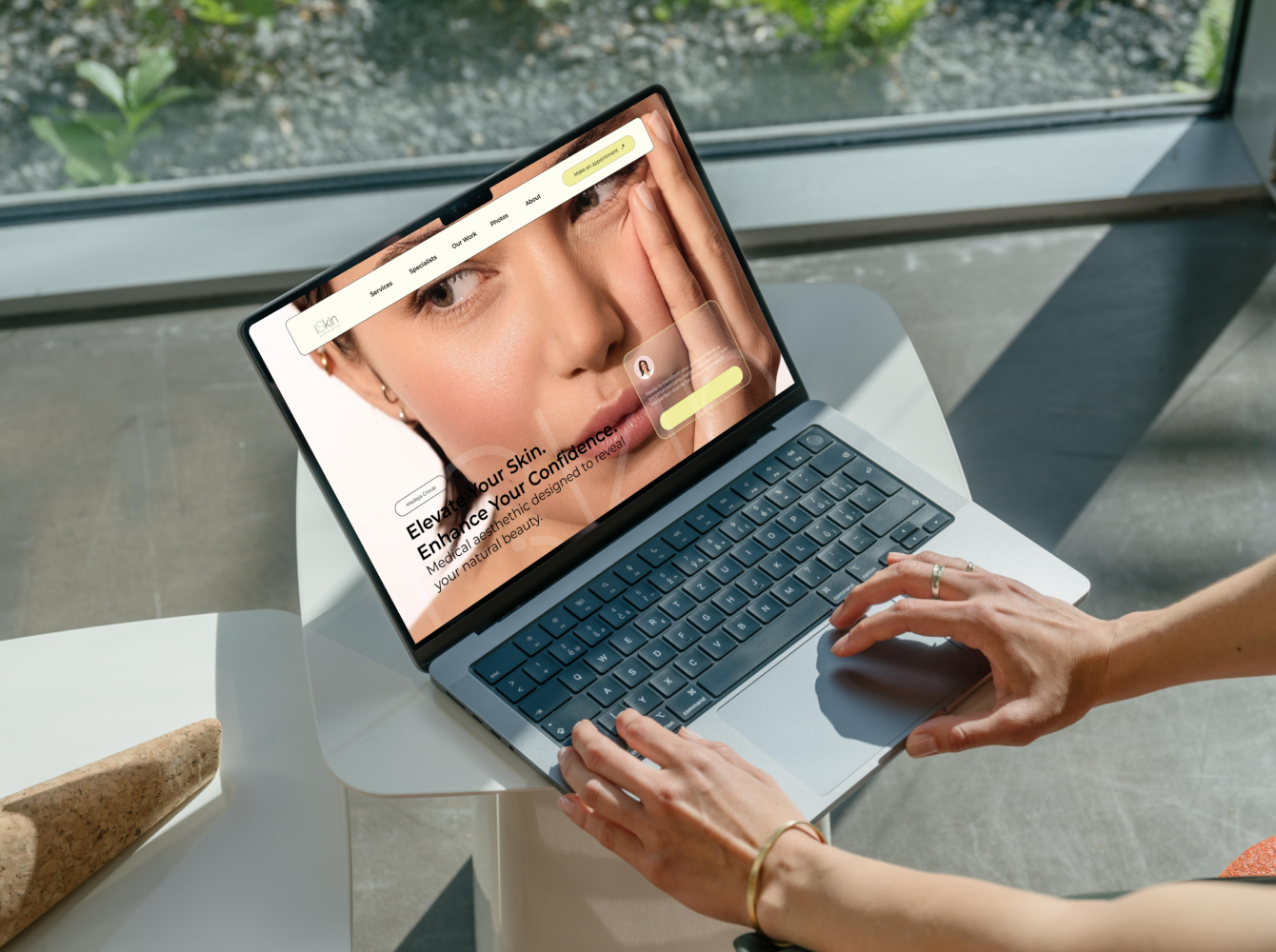
We started with a full rebrand, including a new visual identity, brand book, and website redesign, creating a clinical, professional, and modern brand presence.
This was not just a design change, but the foundation for everything that followed: loyalty systems, communication flows, and long-term relationship building all depend on trust in the brand.
Why this mattered:
Patients don’t build loyalty with systems, they build loyalty with brands they trust.
Booking Reliability & No-Show Prevention
High service volume means that every missed appointment creates direct financial loss. The first operational problem we addressed was booking reliability.
We redesigned the booking logic and introduced automated confirmation and reminder systems. Patients now receive structured follow-ups and reminders through direct messaging channels before their appointments, reducing no-shows and late cancellations.
Why this mattered:
Retention starts with reliability.
If bookings fail, loyalty cannot exist.
What this enabled:
- Stable scheduling
- Reduced revenue loss
- Predictable daily operations
- Higher service utilization
Loyalty System as a Growth Engine
Instead of treating loyalty as a marketing add-on, we designed it as the core growth system.
We built a multi-layered loyalty infrastructure combining in-clinic and digital experiences:
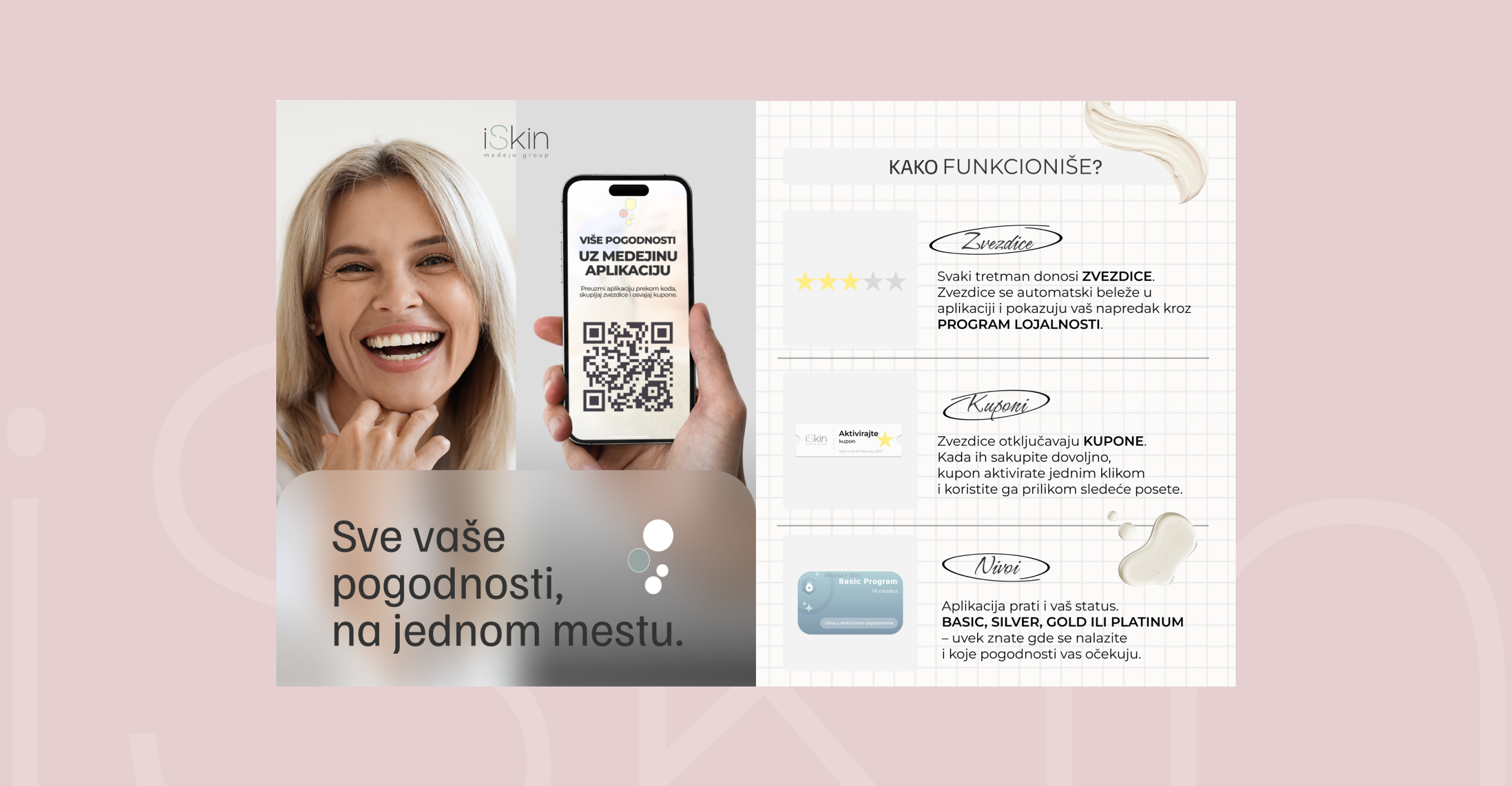
- QR-based in-clinic loyalty system
- Digital loyalty platform integration
- Point-based reward system
- Multi-level loyalty structure
- Monthly loyalty benefits
- VIP patient program
- Automated coupon systems
- Positive reinforcement for consistency
- Negative scoring logic for no-shows
This created a system where behavior is shaped through incentives, structure, and consistency, not promotions.
Why this mattered:
In service-based healthcare, growth comes from repeat visits, not constant acquisition. Loyalty becomes the business model, not a campaign.
Guest CRM & Direct Communication
iSkin already had a large patient contact base, but without structure, segmentation, or strategy.
We built a guest CRM foundation that allowed structured segmentation, VIP tagging, and behavior-based communication. Instead of generic marketing, direct messaging channels with the highest engagement rates were activated.
Channels used:
- SMS campaigns
- Viber campaigns
- Automated messaging flows
Why this mattered:
Direct communication creates relationship, not noise.
Messaging builds loyalty faster than advertising.
Service Experience Design
All systems were connected into a structured patient journey:
- Booking
- Confirmation
- Reminder
- Visit
- Follow-up
- Loyalty activation
- Retention cycle
Every interaction became part of a continuous relationship, not a one-time service.
Why this mattered:
Retention is not a tool, it’s a journey design problem.

Results
iSkin now operates on a structured loyalty-first service system designed for long-term growth and stability.
Key results:
- Increased repeat visit rates
- Reduced no-shows and cancellations
- Automated booking and follow-up flows
- Strong loyalty and retention structure
- High-engagement direct communication channels
- Reduced manual operational workload
- Stronger patient relationships
- Predictable service-based growth model
- Loyalty integrated into daily operations
- Long-term retention as a core business driver


Explore more projects


Start your next project today!
